Dr. Leili Rohani is a Scientist II at the MIT Synthetic Biology Center in the Department of Biological Engineering
Biomolecular neural networks perform neural‑like computation through gene regulation and molecular sequestration. Living cells can be engineered to carry out neuromorphic computation using genetic circuits that emulate neural dynamics via regulatory and molecular interactions. Inspired by these concepts and by tools from the lab of my mentor, Prof. Ron Weiss, in the Department of Biological Engineering, MIT (Moorman A et al., 2019; Rizik L et al., 2022), our goal is to design cells that dynamically sense pathological disease states and execute tailored therapeutic responses. We focus on reprogramming cell states and behaviors toward healthier, non‑disease phenotypes by combining “simulation and experimental validation” to build scalable neuromorphic biocomputers capable of analog decision‑making, detecting continuous disease gradients, processing analog signals associated with pathological remodeling, and dynamically actuating responses (Khalilitousi M et al., 2026), all within a synthetic biology framework for therapy.
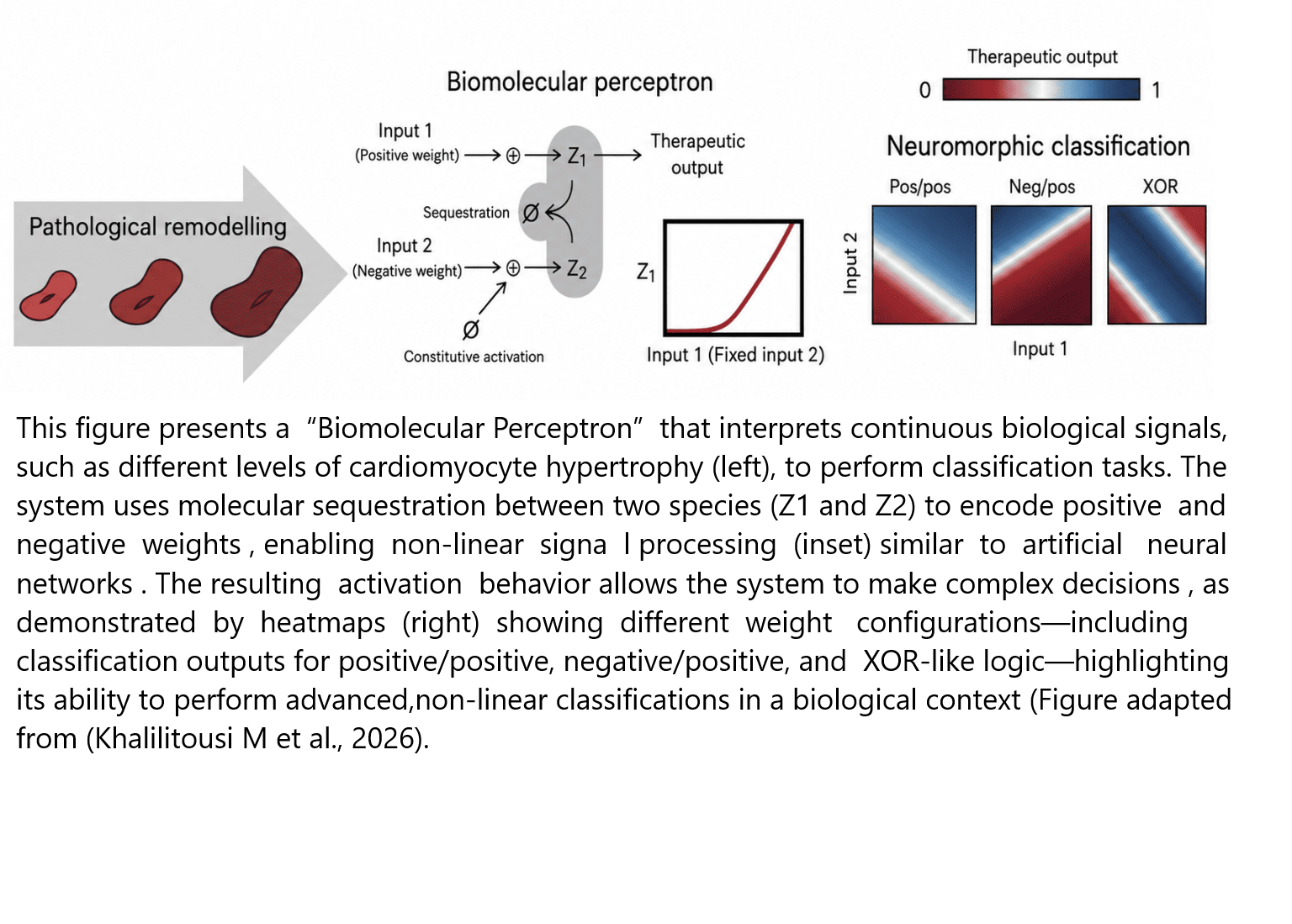
Biomolecular neural networks perform neural‑like computation through gene regulation and molecular sequestration. Living cells can be engineered to carry out neuromorphic computation using genetic circuits that emulate neural dynamics via regulatory and molecular interactions. Inspired by these concepts and by tools from the lab of my mentor, Prof. Ron Weiss, in the Department of Biological Engineering, MIT (Moorman A et al., 2019; Rizik L et al., 2022), our goal is to design cells that dynamically sense pathological disease states and execute tailored therapeutic responses. We focus on reprogramming cell states and behaviors toward healthier, non‑disease phenotypes by combining “simulation and experimental validation” to build scalable neuromorphic biocomputers capable of analog decision‑making, detecting continuous disease gradients, processing analog signals associated with pathological remodeling, and dynamically actuating responses (Khalilitousi M et al., 2026), all within a synthetic biology framework for therapy.
Mammalian synthetic biology enabling new ways to design programmable biological systems for research and medicine. Building on integrated computational and experimental approaches, and inspired by the work of my mentors Prof. Ron Weiss at MIT (Rizik L et al., 2022) and Dr. Mark Ungrin at the University of Calgary (Bratt-Leal AM et al., 2011; Ungrin MD et al., 2012; Toms D et al., 2017), I aim to engineer organoids that can sense their microenvironment, adapt to changing conditions, and generate measurable responses (context-aware). We are developing Smart Synthetic Organoids as a platform for more predictive drug testing, toxicity assessment, and future therapeutic applications, including rare disease and precision gene therapy. Inspired by engineering design principles such as abstraction, standardization, modularity, and computer-aided design, this platform uses Synthetic Gene Circuits to give organoids dynamic sensing and response capabilities.
Engineered heart tissue (EHT) is a three-dimensional in vitro model of the heart, created by casting cell-loaded collagen or fibrin gel solutions between flexible posts or molds. EHTs have become a cornerstone of cardiovascular research for disease modeling, drug screening, and therapeutic applications. In collaboration with scientists at The Centre for Heart-Lung Innovation (HLI) at UBC, Canada, I led a team to develop EHT platforms that model cardiac arrhythmias, recapitulate disease-relevant electrophysiological phenotypes, and create instrumented tissue systems to study how inflammation and other stressors influence cardiac dysfunction (Huang K et al., 2025).
Engineered heart tissue (EHT) is a three-dimensional in vitro model of the heart, created by casting cell-loaded collagen or fibrin gel solutions between flexible posts or molds. EHTs have become a cornerstone of cardiovascular research for disease modeling, drug screening, and therapeutic applications. In collaboration with scientists at The Centre for Heart-Lung Innovation (HLI) at UBC, Canada, I led a team to develop EHT platforms that model cardiac arrhythmias, recapitulate disease-relevant electrophysiological phenotypes, and create instrumented tissue systems to study how inflammation and other stressors influence cardiac dysfunction (Huang K et al., 2025).
Clinical grade hPSC production for cell therapy applications has faced key bottlenecks and barriers (Abbasalizadeh S., Baharvand H., 2013). Stirred suspension bioreactors can potentially scale production of quality-controlled pluripotent stem cells (PSCs) by standardizing key physiological parameters. In collaboration with bioengineers at the University of Calgary (Drs. Michael S. Kallos and Derrick E. Rancourt) and supported by the Stem Cell Network (Canada), I developed a bioprocess system to enhance clinically viable hPSC production in bioreactors ( Rohani L et al., 2020 . This work gained media attention, including features in ESC & iPSC News and The Niche, and led to my invitation to The Stem Cell Podcast to discuss stem-cell-based therapies and hPSC bioprocess engineering.
Cardiovascular diseases remain the leading cause of global mortality despite therapeutic advances, highlighting the need for targeted strategies beyond systemic pharmacotherapy. Synthetic biology enables engineered gene circuits to sense, compute, and respond to pathological signals with spatiotemporal precision. However, cardiomyopathy’s multi-pathway remodeling complicates circuit design and prediction. In collaboration with SBME at UBC and the Dept. of Biological Engineering at MIT, we addressed this using gene regulatory network (GRN) inference and foundation models for in silico target discovery, and high-throughput machine learning platforms (e.g., CLASSIC) to enable circuit composability (Khalilitousi M et al., 2026).
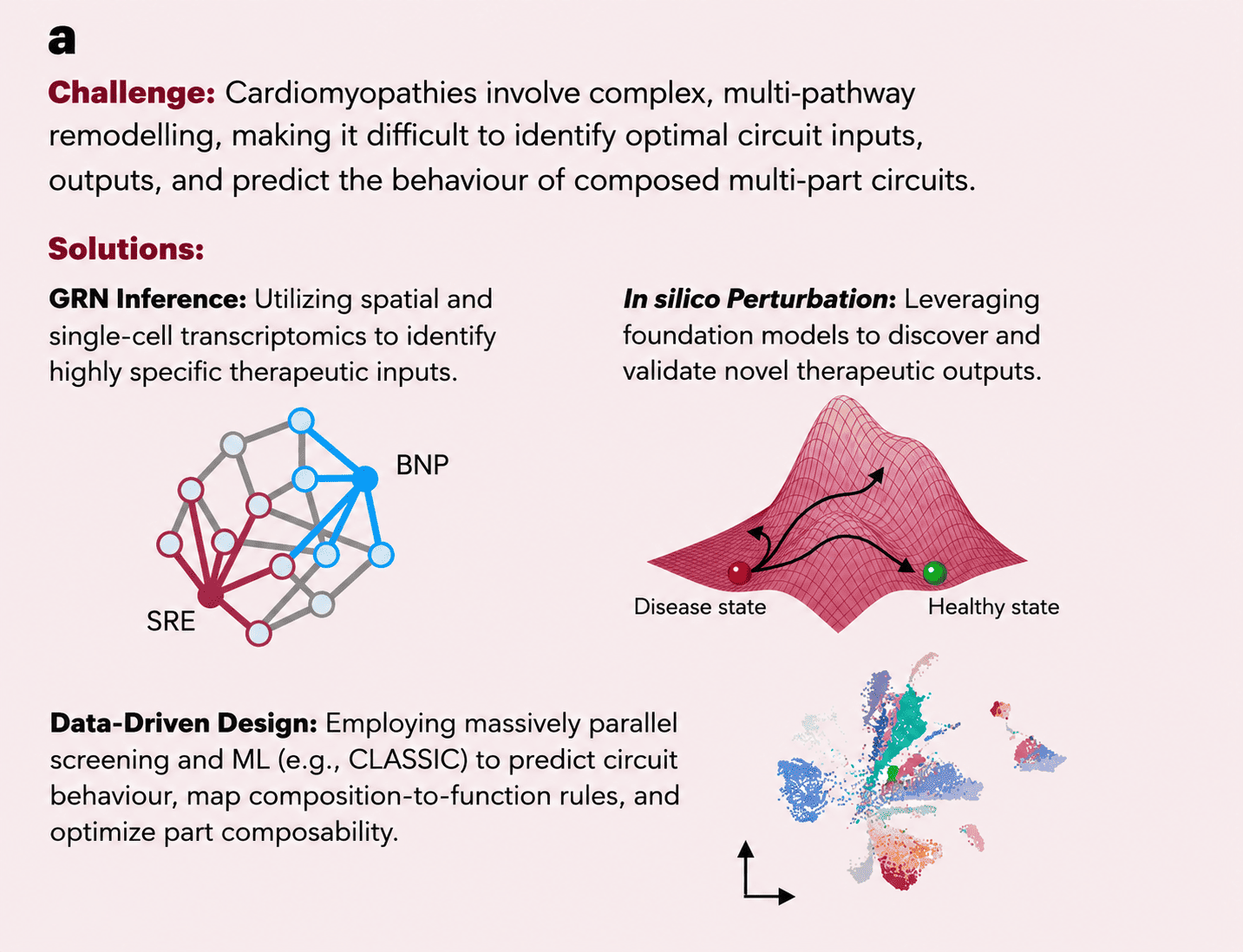
Cardiovascular diseases remain the leading cause of global mortality despite therapeutic advances, highlighting the need for targeted strategies beyond systemic pharmacotherapy. Synthetic biology enables engineered gene circuits to sense, compute, and respond to pathological signals with spatiotemporal precision. However, cardiomyopathy’s multi-pathway remodeling complicates circuit design and prediction. In collaboration with SBME at UBC and the Dept. of Biological Engineering at MIT, we addressed this using gene regulatory network (GRN) inference and foundation models for in silico target discovery, and high-throughput machine learning platforms (e.g., CLASSIC) to enable circuit composability (Khalilitousi M et al., 2026).
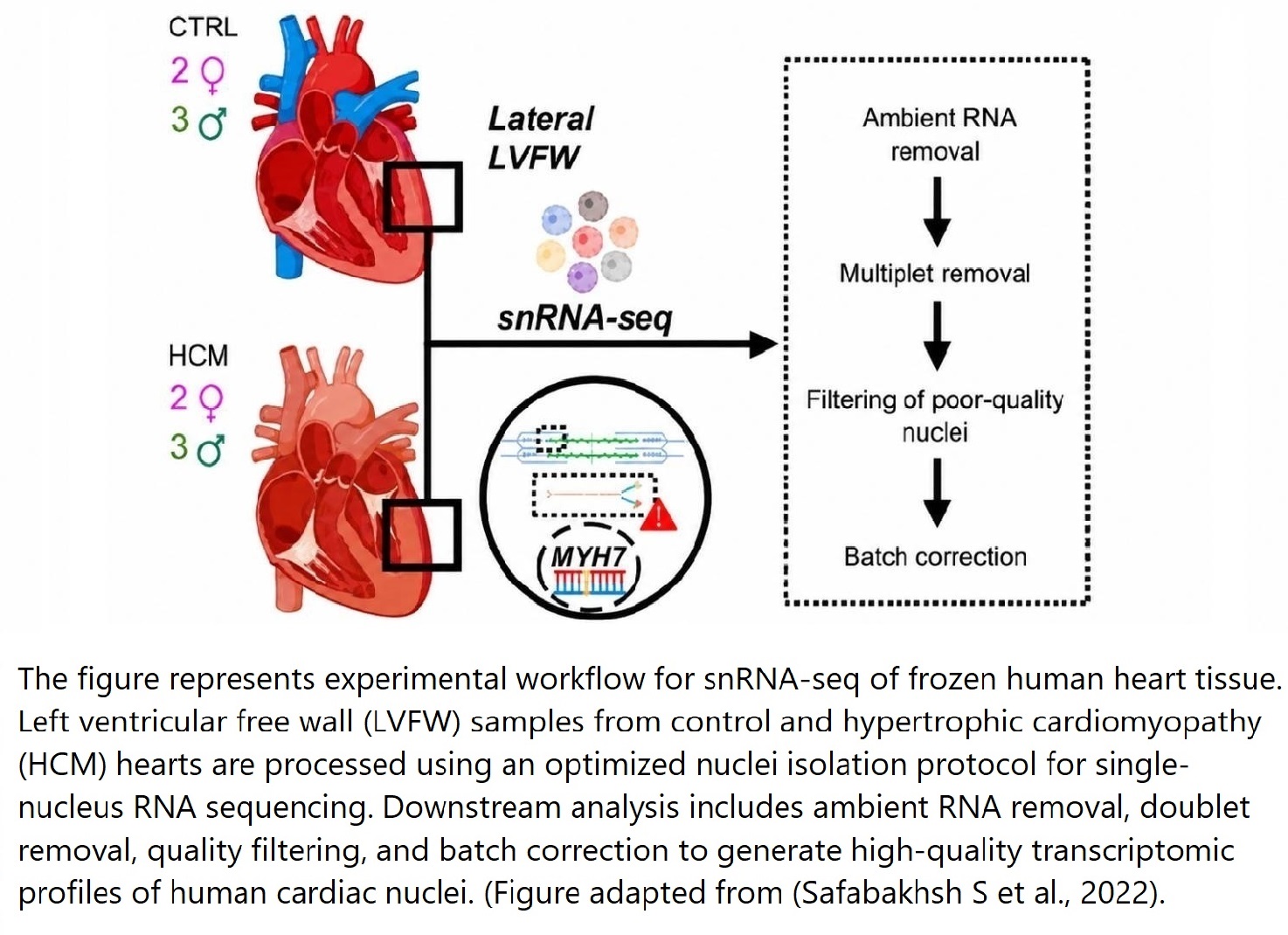
Cardiovascular disease remains the leading cause of morbidity and mortality worldwide, highlighting the need for a deeper understanding of human heart biology. Single-nucleus RNA sequencing (snRNA-seq) has emerged as a powerful approach for studying cellular function and disease mechanisms at high resolution. Inspired by access to the Heart-Lung Innovation (HLI) tissue biobank at the University of British Columbia (UBC), and in collaboration with Harvard Medical School, we developed and published a protocol for isolating single nuclei from frozen human heart tissues (Safabakhsh et al., 2022). This work enables robust snRNA-seq analysis of human cardiac tissue and provides a foundation for discovering novel disease mechanisms, biomarkers, and therapeutic targets in cardiovascular disease.
Cellular reprogramming enables the conversion of somatic cells into induced pluripotent stem cells (iPSCs), offering powerful opportunities for regenerative medicine, disease modeling, and aging research. During my PhD, I collaborated with researchers at the Fraunhofer Institute for Cell Therapy and Immunology (IZI) to study rejuvenation programming in senescent cells and investigate the persistence of epigenetic memory following reprogramming, a key consideration for the future clinical use of iPSC-based therapies (Rohani et al., 2014; Rohani et al., 2016).
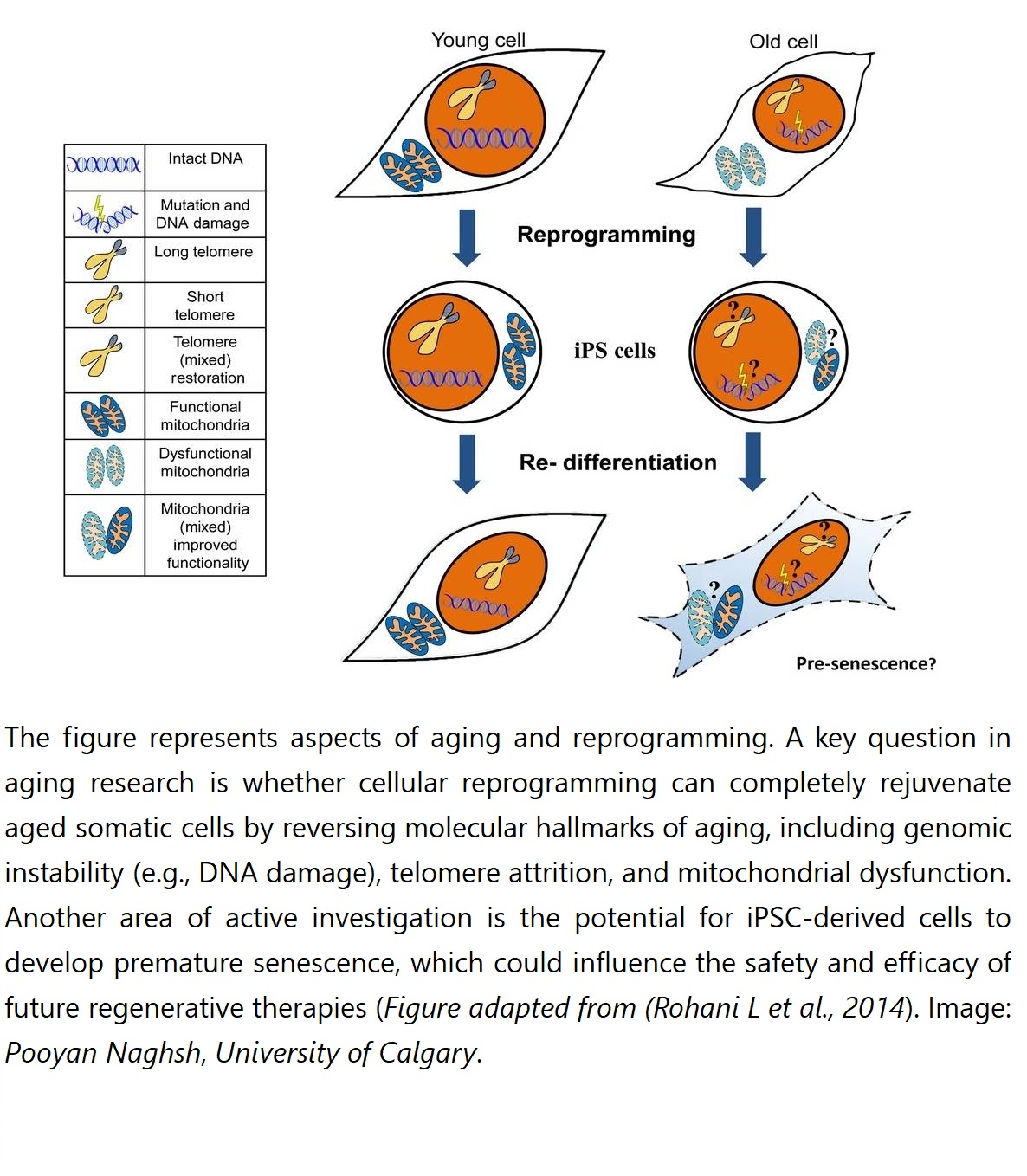
Cellular reprogramming enables the conversion of somatic cells into induced pluripotent stem cells (iPSCs), offering powerful opportunities for regenerative medicine, disease modeling, and aging research. During my PhD, I collaborated with researchers at the Fraunhofer Institute for Cell Therapy and Immunology (IZI) to study rejuvenation programming in senescent cells and investigate the persistence of epigenetic memory following reprogramming, a key consideration for the future clinical use of iPSC-based therapies (Rohani et al., 2014; Rohani et al., 2016).
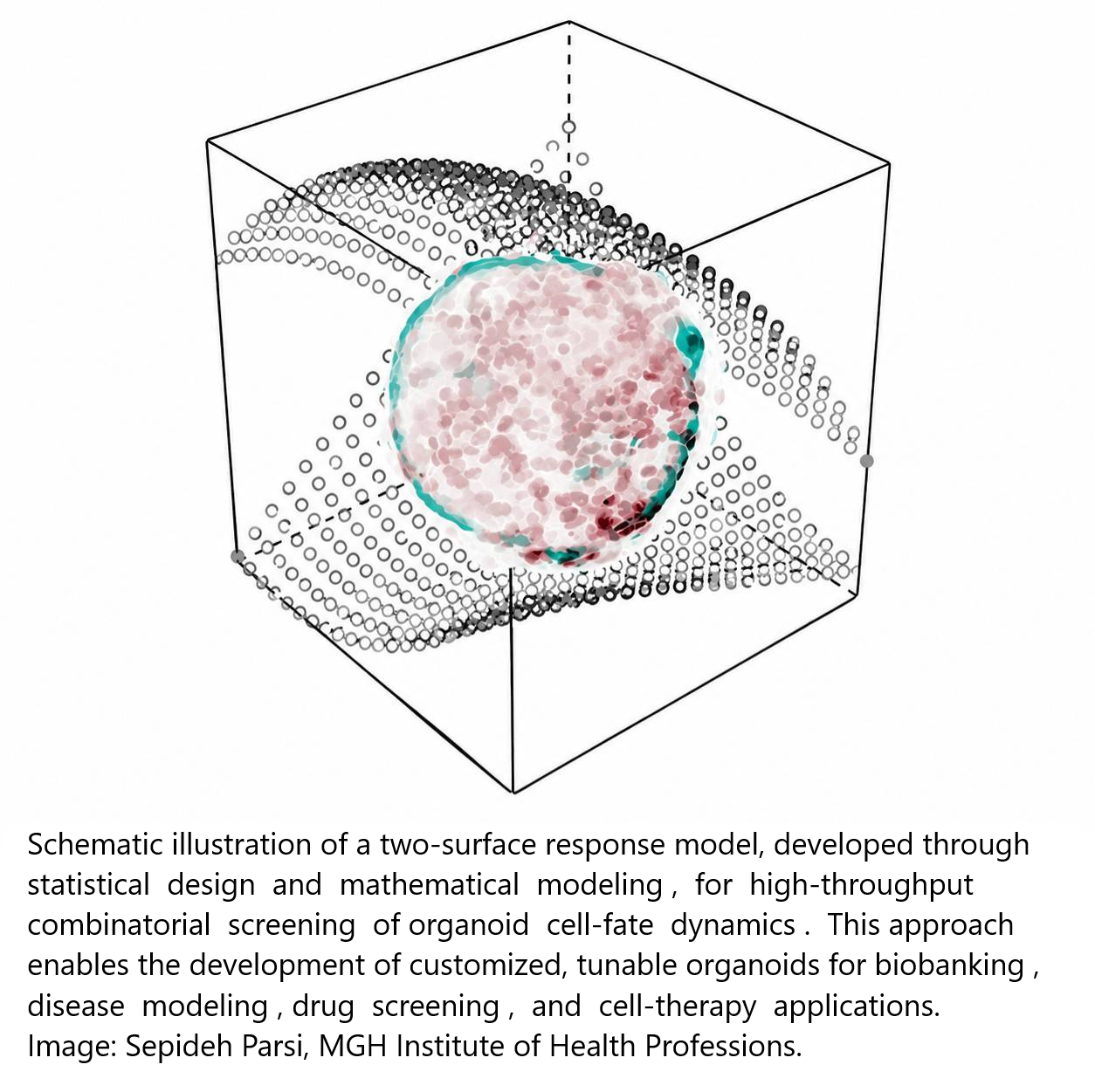
Advanced statistical design and mathematical modeling are powerful tools in bioprocess engineering and cell therapy. At the University of Calgary, I used these approaches, together with methods from Dr. Mark Ungrin’s lab (Bratt-Leal AM et al., 2011; Ungrin MD et al., 2012; Toms D et al., 2017), to develop a high-throughput screening strategy for guiding organoid cell-fate dynamics and improving scalability. This work supports the generation of customized organoids for biobanking, disease modeling, drug screening, and cell-therapy applications, and highlights the value of integrating computational modeling with synthetic biology in organoid engineering (unpublished).
Schedule a consultation to discuss your genetic health concerns and explore personalized solutions.