Dr. Leili Rohani is a Scientist II at the MIT Synthetic Biology Center in the Department of Biological Engineering
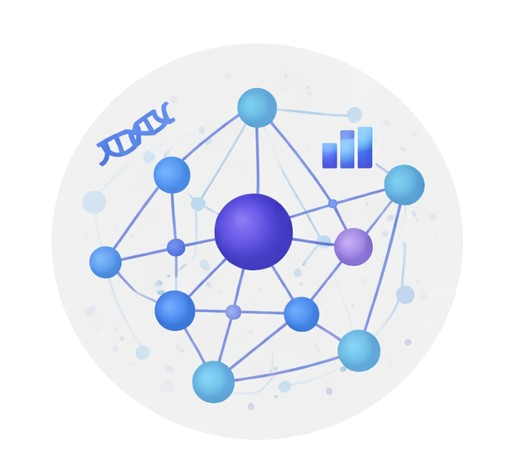
Biological Neural Networks (BNN) In Living Cells
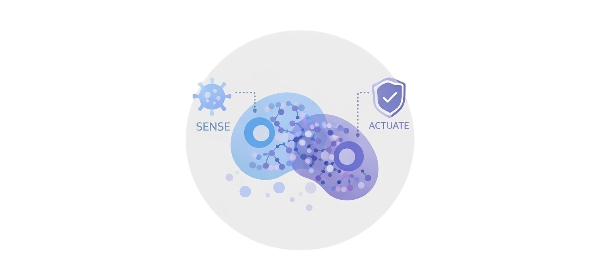
We develop computationally guided synthetic biology approaches to program cellular decision-making for disease modeling and therapy. Our goal is to engineer cells that can sense pathological states and execute designed responses, with a focus on reprogramming cell states toward healthier phenotypes using in silico modeling and targeted perturbation strategies.
Biological Neural Networks (BNN) In Living Cells
We develop computationally guided synthetic biology approaches to program cellular decision-making for disease modeling and therapy. Our goal is to engineer cells that can sense pathological states and execute designed responses, with a focus on reprogramming cell states toward healthier phenotypes using in silico modeling and targeted perturbation strategies.
Synthetic Smart Organoid
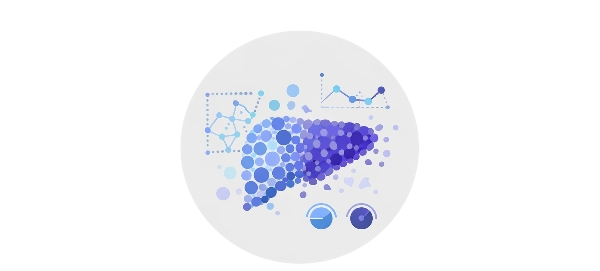
We engineer “SMART” organoids that act as context-aware biosensors, dynamically sensing their microenvironment and producing measurable responses that improve the accuracy and predictive power of drug testing.
Engineered Heart Tissue Model
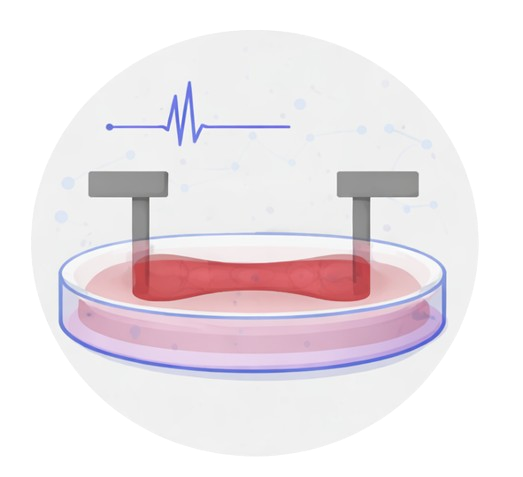
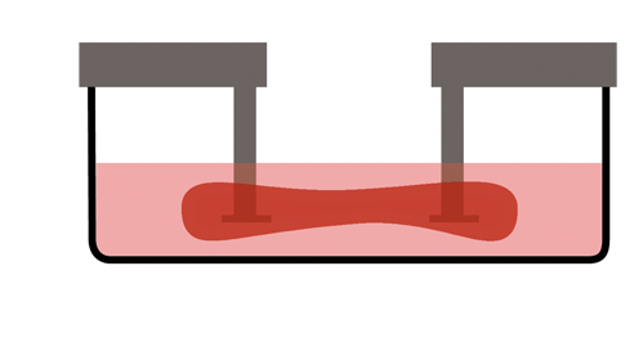
We develop patient iPSC–derived engineered heart tissue (EHT) platforms to model cardiac arrhythmias, recapitulate disease-relevant electrophysiological phenotypes, and create instrumented tissue systems to study how inflammation and other stressors influence cardiac dysfunction.
Engineered heart tissue model
We develop patient iPSC–derived engineered heart tissue (EHT) platforms to model cardiac arrhythmias, recapitulate disease-relevant electrophysiological phenotypes, and create instrumented tissue systems to study how inflammation and other stressors influence cardiac dysfunction.
Cell Manufacturing
We use bioprocess engineering and cell manufacturing strategies to scale the production of clinically relevant human pluripotent stem cells (hPSCs) in bioreactors, supporting applications in cell therapy and regenerative medicine.
Regulatory Network
We develop patient iPSC–derived engineered heart tissue (EHT) platforms to model cardiac arrhythmias, recapitulate disease-relevant electrophysiological phenotypes, and create instrumented tissue systems to study how inflammation and other stressors influence cardiac dysfunction.
Regulatory Network
We develop patient iPSC–derived engineered heart tissue (EHT) platforms to model cardiac arrhythmias, recapitulate disease-relevant electrophysiological phenotypes, and create instrumented tissue systems to study how inflammation and other stressors influence cardiac dysfunction.
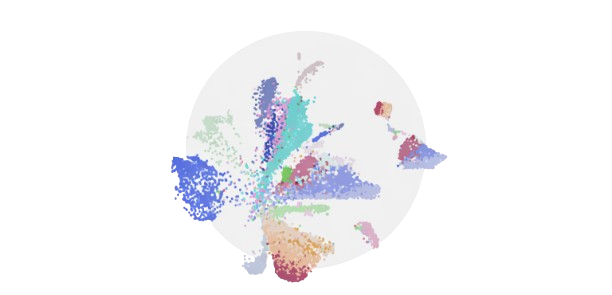
Single-Cell/Nuclei Seq Profiling
We use bioprocess engineering and cell manufacturing strategies to scale the production of clinically relevant human pluripotent stem cells (hPSCs) in bioreactors, supporting applications in cell therapy and regenerative medicine.
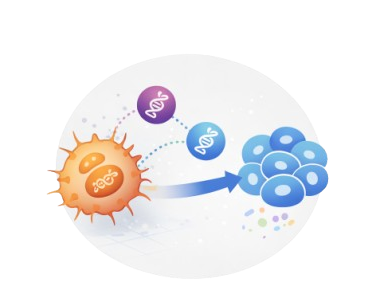
Cellular Reprogramming
We develop patient iPSC–derived engineered heart tissue (EHT) platforms to model cardiac arrhythmias, recapitulate disease-relevant electrophysiological phenotypes, and create instrumented tissue systems to study how inflammation and other stressors influence cardiac dysfunction.
Cellular Reprogramming
We develop patient iPSC–derived engineered heart tissue (EHT) platforms to model cardiac arrhythmias, recapitulate disease-relevant electrophysiological phenotypes, and create instrumented tissue systems to study how inflammation and other stressors influence cardiac dysfunction.
Mathematical Modeling
We use bioprocess engineering and cell manufacturing strategies to scale the production of clinically relevant human pluripotent stem cells (hPSCs) in bioreactors, supporting applications in cell therapy and regenerative medicine.
Ready to Take the Next Step?
Schedule a consultation to discuss your genetic health concerns and explore personalized solutions.